


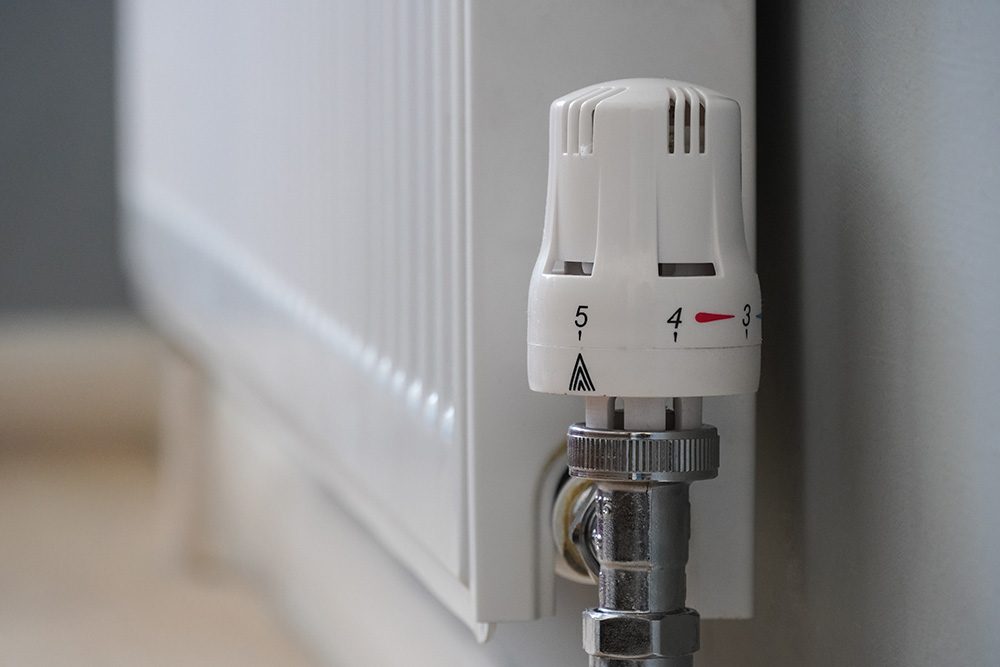
The worst time to discover a heating problem is the first genuinely cold night of the year. A little preparation in autumn can save you an emergency call-out, and a cold house, in December.
Book your annual service early
Annual servicing is often required to keep your boiler’s warranty valid, but it also catches small issues, like a failing part or a pressure problem, before they become a breakdown. Booking in September or October, rather than waiting until the first cold snap, means you’re not competing with everyone else’s emergency call-outs.
Bleed your radiators
If your radiators are cold at the top but warm at the bottom, there’s trapped air inside stopping them heating fully. Bleeding them (releasing the trapped air with a radiator key) takes a few minutes per radiator and can make a noticeable difference to how quickly rooms heat up.
Check your boiler pressure
Most boilers should sit between 1 and 1.5 bar when cold. If the gauge reads low, your system may need topping up, and a persistently dropping pressure can point to a slow leak worth investigating before winter puts more strain on the system.
Test your heating before you need it
Run your heating for a full cycle on a mild day, rather than waiting until you actually need it on a cold one. This gives you time to book a repair if something isn’t working, instead of discovering a fault when it matters most.
Check for drafts and insulation gaps
Heating works harder than it needs to if warm air is escaping through gaps around doors, windows or loft hatches. A few pounds of draught excluder or loft insulation top-up can meaningfully reduce how hard your system has to work.
Know who to call
Keep a trusted heating engineer’s number saved before you need it in an emergency, not after. We offer priority booking for existing customers and same-day call-outs where possible during the colder months.